Customer Outreach Strategy: Turn Curious Shoppers into Loyal Clients

About us Services Projects Blogs Contact us Languages NL BE Hamburger Toggle Menu About us Courses University TSI Login Team TSI Digital Solution Reach out What we have realized See More Edit Template Services Web Design & Development Hosting SEO/Ads/MGB/Speedup/Technical App Design & Development AI Agents e-Commerce Branding Social Media & Content Creation Graphic Design Copywriting & Translations Photo- & Videography Calculate the price online yourself The way we work See More Edit Template Realized projects Calculate an estimate of your project costs directly online Cost calculation for my website Cost calculation: SEO/Ads/MGB/Speedup/Technical Contact us for a personal App Contact us for your AI Agent Cost calculation for an e-commerce shop Contact us for branding Cost calculation for Social Media & Content Creation Cost calculation for Graphic Design Cost calculation for Copywriting & Translations Cost calculation for Photo- & Videography Get a detailled quote Interesting stuff to read See More Edit Template Blogs Demo Just ask, we are here for you Who we are See More Edit Template Contact us Affiliate program Download for free TSI Spam Blocker Get a detailed quote Interesting stuff to read See More Edit Template Edit Template Customer Outreach Strategy Get An Online Quote Customer Outreach Strategy Turn Curious Shoppers into Loyal Clients If you sell to clients, outreach should meet people where they already spend attention: your website, social channels, and mobile apps. These channels let you control experience, capture real-time intent, and create convenient purchase paths – when they’re designed for clarity, speed and trust. This guide explains how to use each channel effectively, best practices, measurable impacts (positive and negative), chatbot-search optimization, and how these channels will evolve. Below I’ll walk through how outreach works for client-focused businesses, proven best practices, the measurable impact (positive and negative), and how outreach will realistically evolve over the next 2–5 years, plus quick chatbot-readiness tips so virtual assistants and search agents can find your content and respond accurately. How outreach works for client-facing businesses Outreach for client-selling businesses follows the same backbone as any outreach system but with different emphasis: speed, clarity, emotional trust, and mobile-first convenience. Audience mapping: segment customers by need and lifecycle stage (first-time buyer, repeat buyer, lapsed customer). Value-first messages: offer clear benefits (discount, fast delivery, expert help) up front. Channel matching: choose channels where customers actually engage: email, SMS, social DMs, website chat, or in-person events. Simple sequences: short chains of touches (reminder -> social proof -> special offer) that respect frequency limits. Close & nurture: convert with a low-friction purchase path, then follow up with a retention flow. Measure: conversion rate (visitor -> buyer), cost-per-acquisition (CPA), repeat rate, and customer lifetime value (CLV). For client-facing businesses, time-to-purchase and mobile conversion are especially important. Website-first outreach: convert intent into action Your website is the single most controllable place for outreach: you own layout, copy, chat, and conversion flows. Treat it as the outreach HQ. Surface short answers and action at the top Put a concise value statement and one clear CTA above the fold so chatbots and search agents can extract a short, direct answer. Short answers improve assistant-driven discovery. Use chat and micro-conversion flows Embed a conversational widget that greets visitors contextually (pricing page = “Need pricing details?”). Let chatbots qualify with one or two questions and then schedule a call or pass the lead to sales. Properly implemented chat can speed response times dramatically and handle high-volume common questions. Measure downstream, not just clicks Track conversion rate (visitor -> buyer), micro-conversions (chat -> appointment), time-to-purchase, and CLV by channel. Use A/B tests for headline, hero CTA, and chat prompts to lift conversion. Social Media: turn engagement into outreach Social Media Management: social channels are discovery + lightweight outreach. They’re ideal for context-rich, low-friction connections. Use social as a qualification funnel When prospects engage (comment, like, DM), follow up quickly with a short, helpful message that advances the buyer: answer a question, offer a demo, or provide a time-limited incentive. Leverage content for social proof and chat-ready Q&A Post short, scannable answers and customer stories. Pin or highlight FAQ’s so social DMs or link-clicks land on pages with short answers, ideal for chat extraction. Respect platform norms and cadence DM’s and comment replies must be fast and human-feeling. Over-automation on social often backfires; use a hybrid approach (smart templates + human personalization). Mobile apps: the highest-value outreach channel Apps let you own the relationship: push notifications, in-app messages, and personalized offers based on real behavior. Push & in-app = immediacy plus control Use push sparingly for high-value triggers (cart abandonment, appointment reminders, flash offers). Push open rates and immediacy are far higher than email for time-sensitive outreach. (See SMS/app immediacy benchmarks.) Personalization and lifecycle flows Apps provide the richest signals (session length, feature usage). Use these signals to personalize outreach: onboarding nudges, refill reminders, loyalty prompts. Done well, personalization typically lifts revenue and conversion by double digits. Best practices across website, SMM and apps Make messages short, mobile-first and machine-readable Write short headlines and 1-2 sentence answers near the top of pages and posts so chatbots and virtual assistants can extract them. Keep messages under ~200 words for first contact. Consent and timing matter Obtain clear opt-in for SMS, push, and marketing DMs. Use behavioral signals to time outreach – triggered outreach converts significantly better than blanket blasts. Hybrid human + automation handoff Use automation to qualify and route, have humans take over when intent is high or the conversation requires nuance. Poor handoff is the biggest cause of bot-driven churn. Measurable impact: what the numbers say Concise, Authoritative Answers Cold outreach and unsolicited outreach typically get low direct replies: overall cold reply rates commonly fall between 1–5%. Expect most unsolicited messages to be ignored unless highly relevant. Email open rates have rebounded in recent benchmarks, many reports place average open rates in the low-to-mid 40% range across industries, but openings don’t equal purchases – measure conversions. Chatbots are already widely used: roughly ~37% of businesses use chatbots for
How to Develop a ‘Vibe’ Instead of Chasing Trends
About us Services Projects Blogs Contact us Languages NL BE Hamburger Toggle Menu About us Courses University TSI Login Team TSI Digital Solution Reach out What we have realized See More Edit Template Services Web Design & Development Hosting SEO/Ads/MGB/Speedup/Technical App Design & Development AI Agents e-Commerce Branding Social Media & Content Creation Graphic Design Copywriting & Translations Photo- & Videography Calculate the price online yourself The way we work See More Edit Template Realized projects Calculate an estimate of your project costs directly online Cost calculation for my website Cost calculation: SEO/Ads/MGB/Speedup/Technical Contact us for a personal App Contact us for your AI Agent Cost calculation for an e-commerce shop Contact us for branding Cost calculation for Social Media & Content Creation Cost calculation for Graphic Design Cost calculation for Copywriting & Translations Cost calculation for Photo- & Videography Get a detailled quote Interesting stuff to read See More Edit Template Blogs Demo Just ask, we are here for you Who we are See More Edit Template Contact us Affiliate program Download for free TSI Spam Blocker Get a detailed quote Interesting stuff to read See More Edit Template Edit Template How to Develop a ‘Vibe’ Instead of Chasing Trends Get An Online Quote Brand Identity on Social Media Building a cohesive, mood-driven brand identity on social media When you scroll through social feeds, what catches your attention: the brand that jumps on the latest viral meme, or the one whose posts quietly feel right, consistent, and unmistakably them? In the noise of fleeting trends, brands that develop a vibe – a distinct emotional identity – cut through and last. Why Trend-Chasing Fails the Test Trends look attractive: everyone’s talking about them, imitating them, hoping to “go viral”. But what happens after the buzz? Often, the brand’s voice is lost. The visuals change. The tone shifts. And the audience wonders: are we still the same brand? Here’s why this approach can backfire: Inconsistent messaging: When you react to every new trend, your visual style and tone may drift. Consistency suffers. Audience confusion: If your brand feels one way today and something else tomorrow, your followers may not know what you stand for. Short-lived wins: A trending clip may boost views temporarily, but it rarely builds a meaningful, long-term relationship. Authenticity risk: Audiences increasingly value authenticity. A brand that seems opportunistic or off-brand may lose trust. Research shows that emotional connection matters more than features. According to one source, brands that form emotional connections deliver 52 % more value than those that simply satisfy customers. Another finds that 82 % of shoppers expect brand values to align with their own. So chasing what’s “hot” may give you a spike, but the spike doesn’t always lead to loyalty, and loyalty is what sustains a brand. What It Means to Build a Brand Vibe A vibe is more than an aesthetic. It’s the emotional resonance, the feeling someone gets when they interact with your brand. It’s everything from the colour palette of your posts to the tone of your captions to the rhythm of your stories. You’re not just posting content – you’re crafting atmosphere. Here’s how to do it effectively, in three key stages: Define the emotional core Start by asking: How should people feel when they encounter our brand on social media? Calm and confident? Playful and adventurous? Chic and minimalist?Once you define that, everything else becomes an expression of that mood. Align your visual and verbal identity Visual elements matter. One study showed brand consistency in visual identity improves digital trust by 73 %. Colour choice is part of this. Research into colour and sentiment found meaningful associations: e.g., yellow linked to happiness, blue to sadness. Your verbal voice must match: if your visuals are relaxed and warm, your tone shouldn’t be harsh or overly aggressive. Filter trends through your brand lens You don’t ignore trends, you simply process them through your filter. If there’s a trending sound or format that fits your vibe, go for it. If not, skip it. This keeps you relevant but grounded. The Impact of Choosing a Vibe Over Trends Positive impact Stronger emotional bond: According to research, 70 % of consumers say emotion triggers drive their decisions. Higher engagement and recall: Visual content is said to get three times more engagement than text alone. Efficiency in content creation: Once your tone and style are set, each piece of content aligns with a clearly defined direction, less second-guessing, more consistent output. Potential downsides Risk of stagnation: Developing a strong vibe means you must also evolve it intelligently. If you never change, you might become predictable or tiresome. Missing viral moments: Because you’re selective about trends, you may decide not to participate in something that could generate a short spike. Over-curation danger: If your vibe becomes too “perfect”, too polished, your audience may perceive it as inauthentic or unrelatable. The trick is balance: build the vibe, stay true, but stay awake to opportunities for evolution, not reaction. Resource overhead or mis-caching Poor caching configuration can actually increase complexity: e.g., caching dynamic content that shouldn’t be cached, or failing to exclude user-specific data (like logged-in user dashboards) leading to wrong content being shown. As one source explains: not all content is suitable for caching (especially highly dynamic or user-specific data) and you must have rules accordingly. SEO pitfalls If caching triggers weird behavior (e.g., serving a cached version with old canonical tag, inconsistent headers, or mis-served content), search engines may index stale or non-optimal pages. Also if you purge cache but forget to clear “cached old links”, you might get unintended 404s or redirect loops. How Brand Vibes Will Evolve in the Future Turning Consistency into Competitive Advantage In the modern digital ecosystem, trends come and go at the speed of an algorithm. What truly endures is emotional coherence—a brand vibe that communicates stability, trust, and personality across every channel. The brands that win aren’t louder, they’re clearer. They create spaces where audiences recognize themselves
AI Avatars: Digital Twins Transforming Marketing and Service

About us Services Projects Blogs Contact us Languages NL BE Hamburger Toggle Menu About us Courses University TSI Login Team TSI Digital Solution Reach out What we have realized See More Edit Template Services Web Design & Development Hosting SEO/Ads/MGB/Speedup/Technical App Design & Development AI Agents e-Commerce Branding Social Media & Content Creation Graphic Design Copywriting & Translations Photo- & Videography Calculate the price online yourself The way we work See More Edit Template Realized projects Calculate an estimate of your project costs directly online Cost calculation for my website Cost calculation: SEO/Ads/MGB/Speedup/Technical Contact us for a personal App Contact us for your AI Agent Cost calculation for an e-commerce shop Contact us for branding Cost calculation for Social Media & Content Creation Cost calculation for Graphic Design Cost calculation for Copywriting & Translations Cost calculation for Photo- & Videography Get a detailled quote Interesting stuff to read See More Edit Template Blogs Demo Just ask, we are here for you Who we are See More Edit Template Contact us Affiliate program Download for free TSI Spam Blocker Get a detailed quote Interesting stuff to read See More Edit Template Edit Template The New Era of AI Avatars Get An Online Quote AI Avatars Digital Twins Transforming Marketing and Service Artificial Intelligence is evolving beyond automation. AI Avatars – also known as Digital Twins – are virtual personas that replicate human behavior, speech, and even emotions. The adoption is accelerating: 72% of companies say personalization is their top marketing priority. Businesses using AI Avatars report 35% higher engagement rates than with standard campaigns. By 2030, the global Digital Twin market is projected to exceed $110 billion, with marketing and service leading the growth. At TSI Digital Solution, we help businesses harness AI Avatars to create authentic, scalable, and profitable customer experiences. Why AI Avatars Are the Future of Marketing Hyper-Personalized Campaigns Generic ads don’t work anymore. AI Avatars for marketing deliver tailored messages in real time, adapting tone and content to each customer. Campaigns using Digital Twins show 3x higher click-through rates than traditional email marketing. Building Human-Like Trust Customers engage more with brands that feel “alive”. A recent survey revealed that 68% of consumers prefer interacting with brands that offer human-like virtual experiences. AI Avatars create that trust, which translates into loyalty and conversions. Real-Time Insights Every interaction with a Digital Twin feeds data back into your strategy. Instead of waiting weeks for campaign reports, brands can adjust instantly based on live customer feedback. Redefining Customer Service with Digital Twins Customer service is often the first touchpoint between a brand and its audience. When it feels slow, cold, or inconsistent, customers leave. AI Avatars solve this problem. 24/7 Human-Like Support Modern customers expect instant answers. AI Avatars for customer service deliver round-the-clock assistance, handling thousands of interactions simultaneously without losing empathy. Anticipating Customer Needs By analyzing behavior patterns, Digital Twins can predict customer questions before they’re even asked. This proactive service reduces complaints and strengthens brand reputation. Cost Savings with Better Quality Companies integrating AI Avatars into service operations report up to 40% lower support costs, while maintaining higher satisfaction scores. That balance of efficiency and empathy is driving mass adoption across industries. Beyond Automation: Real Digital Relationships The most common misconception is that AI Avatars are just fancy chatbots. The reality is very different. They are relationship-builders. They represent the voice of your brand, scaled with personality and consistency. Consistent Brand Voice Every avatar is customizable to reflect your brand identity, ensuring consistency across campaigns, service channels, and social media. Your AI Avatar mirrors your brand’s tone, values, and identity across every channel. That consistency builds recognition and trust. Scalable Without Losing the Human Touch Traditional scaling often means losing personal quality. With AI-powered Digital Twins, you scale your brand without sacrificing authenticity, since every customer still feels understood. Whether you serve hundreds or millions, AI-powered Digital Twins make every customer feel recognized, not just another ticket in the system. Industry Momentum From retail to healthcare, 41% of companies have already launched Digital Twins in their operations. Early adopters report faster conversions and stronger customer retention. Analysts predict the market for Digital Twins will reach USD 110 billion by 2030, with marketing and service leading adoption. The Future of AI Avatars in Digital Transformation AI Avatars are not only transforming marketing and customer service today, they are becoming central to digital transformation strategies across industries. Companies that adopt AI-driven virtual personas early gain a competitive edge in personalization, efficiency, and brand loyalty. Integration with Emerging Technologies Digital Twins can seamlessly integrate with augmented reality (AR), virtual reality (VR), and the Internet of Things (IoT). Imagine a virtual store assistant that guides customers through an AR shopping experience or a virtual health advisor that tracks wearable devices to offer personalized recommendations. Analysts predict that over 60% of digital transformation initiatives will include AI avatars by 2026. Driving Innovation in Customer Experience AI Avatars help businesses experiment with new customer engagement strategies without significant risk. They allow A/B testing of marketing messages, simulate customer interactions, and generate insights that were previously impossible. This makes AI Avatars for digital experience a powerful tool for improving satisfaction, retention, and overall brand perception. Key Metrics to Measure AI Avatar Success To ensure that AI Avatars deliver real business value, companies must track performance carefully. Engagement and Retention Metrics Measure how often customers interact with avatars, how long they stay engaged, and whether conversations lead to conversions. Businesses using AI Avatars for customer engagement have seen average session durations increase by 25–30%. ROI and Cost Efficiency Track the reduction in support costs, increase in upsells, and improvement in service speed. Companies that implement AI Avatars in service channels report up to 40% cost savings while maintaining or improving customer satisfaction scores. Continuous Improvement Metrics Every interaction provides data. Use it to train avatars, refine responses, and optimize campaigns. This iterative process ensures that your AI Avatars continue to deliver high-quality human-like interactions over
Building a Brand Identity That Converts

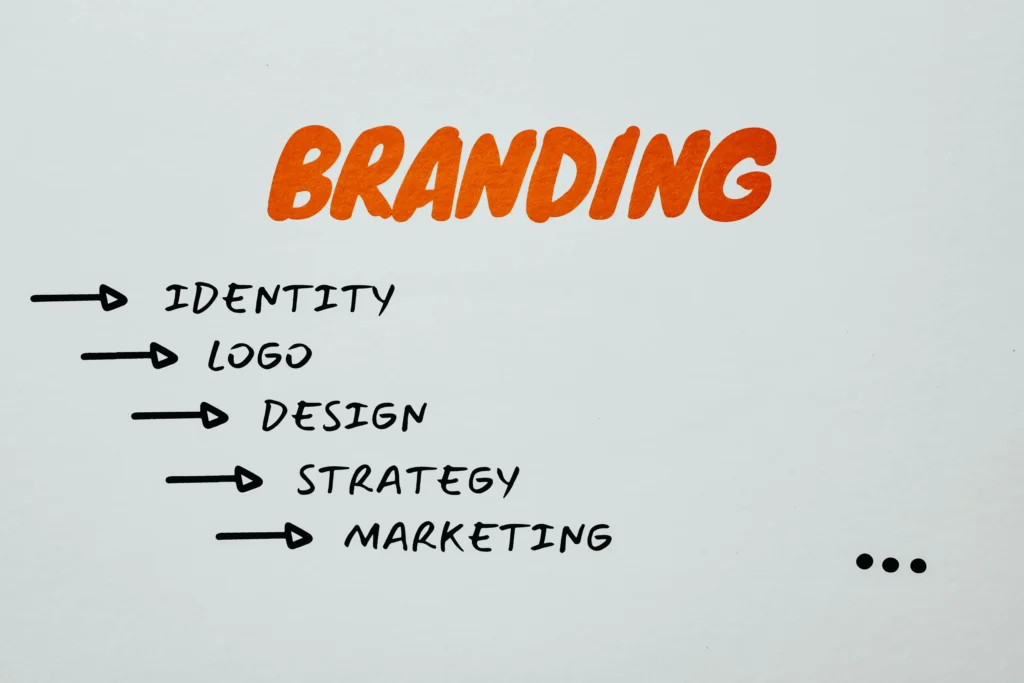
About us Services Projects Blogs Contact us Languages NL BE Hamburger Toggle Menu About us Courses University TSI Login Team TSI Digital Solution Reach out What we have realized See More Edit Template Services Web Design & Development Hosting SEO/Ads/MGB/Speedup/Technical App Design & Development AI Agents e-Commerce Branding Social Media & Content Creation Graphic Design Copywriting & Translations Photo- & Videography Calculate the price online yourself The way we work See More Edit Template Realized projects Calculate an estimate of your project costs directly online Cost calculation for my website Cost calculation: SEO/Ads/MGB/Speedup/Technical Contact us for a personal App Contact us for your AI Agent Cost calculation for an e-commerce shop Contact us for branding Cost calculation for Social Media & Content Creation Cost calculation for Graphic Design Cost calculation for Copywriting & Translations Cost calculation for Photo- & Videography Get a detailled quote Interesting stuff to read See More Edit Template Blogs Demo Just ask, we are here for you Who we are See More Edit Template Contact us Affiliate program Download for free TSI Spam Blocker Get a detailed quote Interesting stuff to read See More Edit Template Edit Template Building a Brand Identity That Converts Get An Online Quote Brand Identity The Hidden Force Behind Business Growth Most people can recognize their favorite brands in a split second, whether it’s a color scheme, a style of photography, or even a tone of voice. That instant recognition is no accident. It’s the result of a carefully crafted brand identity that connects with people both logically and emotionally. Research by Lucidpress found that consistent branding across all platforms can increase revenue by up to 23%. That’s more than just a marketing advantage, it’s a growth engine. A strong brand identity creates familiarity, and familiarity builds trust. Trust is the currency of business in every industry. Why Brand Identity Is More Than a Logo A logo is a powerful symbol, but brand identity goes far beyond it. It’s the complete experience customers have with your business. The Core Elements of Brand Identity Visual Style: Your colors, typography, layouts, and imagery. Tone of Voice: The style and emotion behind your words. Customer Interaction: How you speak, respond, and resolve issues. Brand Story: The narrative that ties everything together. When these elements work together consistently, you don’t just stand out, you stay memorable. Your Website: The Digital Heart of Your Brand Your website is more than an online brochure, it’s a living representation of your brand. Visitors often decide within seconds whether they trust your business, and 75% of them judge credibility based on website design. How Websites Strengthen Brand Identity Speed & Mobile Optimization -> A fast, mobile-friendly site shows professionalism. Design Consistency -> Fonts, colors, and layouts should reflect your personality. Clear Messaging -> Copy should speak directly to your audience’s needs. User Experience (UX) -> Simple navigation reinforces trust and reduces friction. When your website aligns with your brand identity, it works silently in the background, converting visitors into customers 24/7. Content: Your Brand in Every Word Every blog post, product description, or email is a piece of your brand identity. The way you write is as important as what you write. Finding the Right Tone Premium Brands -> Confident, refined language that suggests quality. Friendly Brands -> Conversational, warm tones that feel approachable. Inconsistencies between your social media voice and your website copy can weaken your credibility. Strong brands keep their message unified everywhere. Social Media: Your Brand in Action Social media is the most visible and frequent display of your brand identity. Here, customers interact with your business daily, often before they ever visit your website. Social Media Branding Best Practices Use a consistent color palette and style in posts. Keep captions aligned with your brand’s tone. Engage with followers authentically and professionally. Brands that master social media consistency see higher engagement and stronger customer loyalty. Graphic Design: Speaking Without Words Before a customer reads a single sentence, your design has already communicated something about your business. According to Adobe, 38% of users will stop engaging with a site if the content or layout is unattractive. Design That Builds Recognition Logos & Icons -> Instantly recognizable brand marks. Marketing Graphics -> Social media banners, email headers, and infographics that match your style. Visual Hierarchy -> Guiding the viewer’s eye toward important information. Design that aligns with your brand identity creates a lasting impression, often without a single word being read. Promotional Material: Extending Your Brand Everywhere Your brand identity shouldn’t vanish once you leave the digital space. Flyers, brochures, banners, business cards, and product packaging carry the same influence as your website or Instagram feed. A FedEx study revealed that good print design can improve brand recall by up to 70%. This means consistent design in your promotional materials strengthens recognition and trust, even in an increasingly digital world. Brand Identity as a Long-Term Business Asset Strong brands don’t just sell products but they also build equity. A well-established brand identity allows businesses to: Charge premium prices. Launch new products more successfully. Expand into new markets with less risk. Branding isn’t a short-term campaign. It’s a long-term strategy that pays dividends in customer loyalty and market influence. Final Word: Trust Is Built on Consistency A strong brand identity ensures every website visit, social media post, and printed flyer sends the same message: you’re reliable, professional, and worth remembering. Frequently Asked Questions (FAQ) What is brand identity? Brand identity is the collection of visual, verbal, and experiential elements that represent your business, including logo, colors, tone, and messaging. Why is brand identity important for websites and content? A strong brand identity builds trust, improves recognition, and increases engagement, all of which directly affect conversion rates. How can I make my social media reflect my brand identity? Use consistent visuals, colors, and tone. Engage with followers in ways that match your brand personality and values. Does promotional material really affect brand perception? Yes. Well-designed promotional materials improve recall, build trust, and create a consistent image across all touchpoints. Can